8 Practical Tips to Master Rhythm in Interior Design for a Harmonious Home
Introduction
Creating a harmonious and visually appealing home involves more than just selecting stylish furniture and decor. One of the key principles to achieving this is mastering the concept of rhythm in interior design. Rhythm in interior design refers to the visual flow that guides the eye through a space, establishing a sense of order and harmony. In this blog post, we'll explore 8 practical tips to master rhythm in interior design, ensuring your home feels cohesive and balanced.
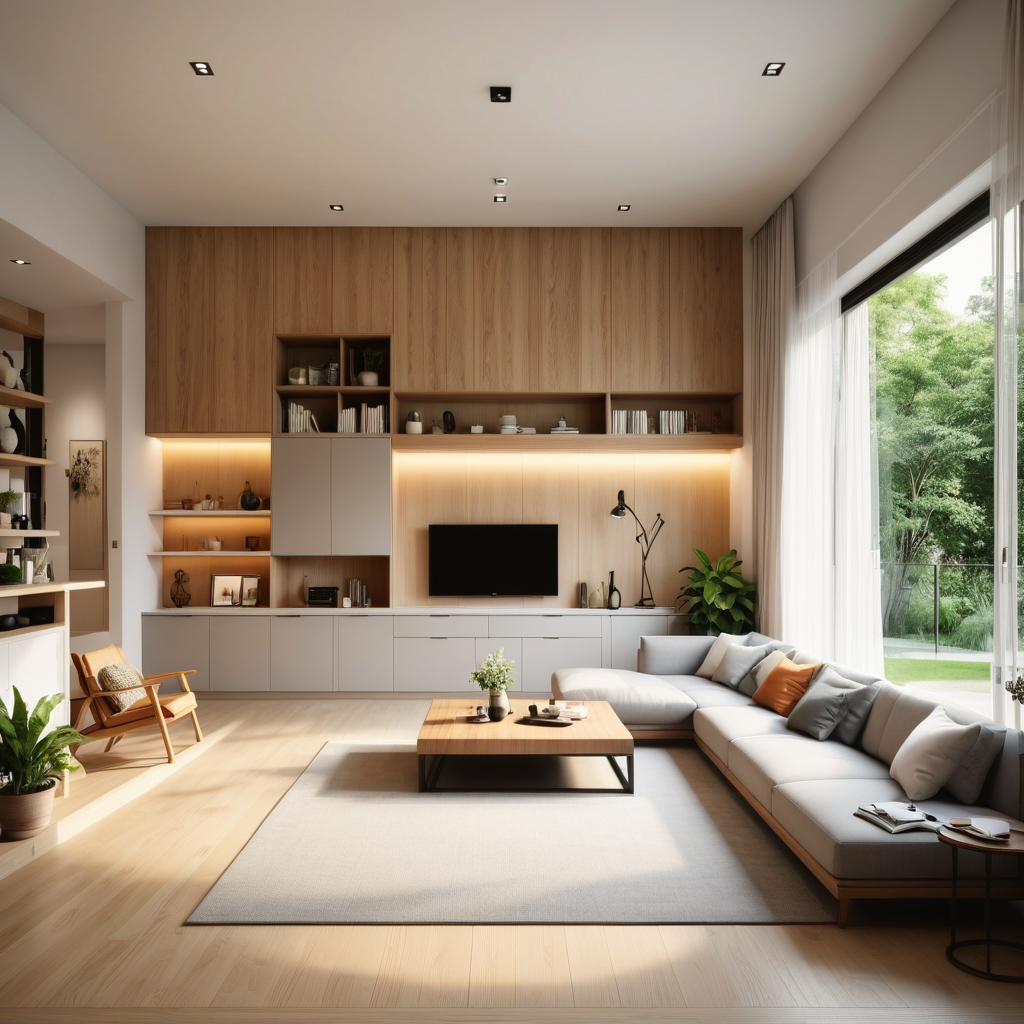
Understanding the Basics of Rhythm in Interior Design
What is Rhythm in Interior Design?
Rhythm in interior design is a principle that organizes decor and furnishings in a pattern, creating a sense of movement and flow within a space. It helps connect different elements to maintain harmony and balance. Imagine walking through a space and feeling a natural progression that effortlessly guides your eyes from one point to another. That's rhythm in action!
Types of Rhythm
- Repetition: Repeating elements such as colors, shapes, or patterns to create consistency.
- Contrast: Using opposing elements to highlight differences and create visual interest.
- Gradation: Gradually increasing or decreasing the size, color, or other attributes of elements.
- Transition: Smoothly guiding the eye from one area to another.
- Radiation: Elements radiate out from a central point, creating a focal area.
Implementing Rhythm with Repetition
Repeating Colors and Patterns
Repetition can be achieved by using the same colors or patterns throughout the room. For instance, incorporate a specific color in your cushions, rugs, and wall art to create a cohesive look. This not only brings a sense of unity but also ensures that the space feels well-thought-out.
Furniture and Decor Repetition
Using similar styles or materials for your furniture and decor items can also establish a rhythm. For example, wooden elements in your tables, chairs, and frames can create a unified appearance. This type of repetition can subtly guide the eye and make the room feel more structured.
Creating Contrast for Visual Interest
Mixing Textures and Materials
Contrast can be achieved by mixing different textures and materials. For example, pairing a soft, plush rug with sleek, contemporary furniture will create a striking visual contrast. This interplay of textures can add depth and intrigue to your space.
Color Contrasts
Using contrasting colors can also add rhythm to your space. A dark wall paired with light furniture can create a dynamic and engaging environment. The key is to balance these contrasts so that they feel intentional rather than chaotic.
Gradation and Transition for Smooth Flow
Gradual Changes in Color and Size
Gradation involves the gradual change in elements like color or size. For instance, you can use a gradient color scheme for your walls or arrange decor items from smallest to largest to create a sense of flow. This technique can make the space feel more expansive and less jarring.
Smooth Transitions Between Spaces
Transition helps guide the eye smoothly from one area to another. Use elements like arches, open shelving, or continuous flooring to create a seamless flow between different spaces in your home. This can make different areas of your home feel connected and harmonious.
Utilizing Technology for Consistency
Design Software Tools
AiHouse streamlines the entire design process. Convert 2D floor plans to 3D easily and access millions of models and customizable templates in diverse styles. Experience the power of AI automation as AiHouse handles processes like paving, size adaptation, and utility setup.
Visualizing Different Combinations
Delight your clients by demonstrating the instant transformation of their home with different color and material combinations. This not only helps in visualizing rhythm but also ensures client satisfaction. The ability to see different design choices in real-time can be incredibly beneficial for achieving a harmonious look.
Conclusion
Mastering rhythm in interior design is essential for creating a harmonious and balanced home. By understanding and implementing different types of rhythm such as repetition, contrast, gradation, and transition, you can achieve a cohesive and visually appealing space. Don't forget to utilize modern technology like AiHouse to streamline your design process and visualize your ideas effectively.
FAQ
Q1: What is the role of rhythm in interior design?
A1: Rhythm in interior design helps create visual flow and harmony by organizing decor and furnishings in a pattern, ensuring a cohesive and balanced space.
Q2: How can I create rhythm in a small room?
A2: In small spaces, use repetition and transition to guide the eye smoothly. Incorporate consistent colors and patterns, and ensure a seamless flow between different areas with continuous elements.
Q3: Can technology help in achieving rhythm in interior design?
A3: Yes, tools like AiHouse can streamline the design process by converting 2D floor plans to 3D, providing access to numerous models and templates, and allowing visualization of different color and material combinations to ensure rhythm and harmony in the design.
By following these tips and understanding the importance of rhythm in interior design, you can transform your home into a balanced and harmonious space. Happy designing!
8 Practical Tips to Master Rhythm in Interior Design for a Harmonious Home
Introduction
Creating a harmonious and visually appealing home involves more than just selecting stylish furniture and decor. One of the key principles to achieving this is mastering the concept of rhythm in interior design. Rhythm in interior design refers to the visual flow that guides the eye through a space, establishing a sense of order and harmony. In this blog post, we'll explore 8 practical tips to master rhythm in interior design, ensuring your home feels cohesive and balanced.
Understanding the Basics of Rhythm in Interior Design
What is Rhythm in Interior Design?
Rhythm in interior design is a principle that organizes decor and furnishings in a pattern, creating a sense of movement and flow within a space. It helps connect different elements to maintain harmony and balance. Imagine walking through a space and feeling a natural progression that effortlessly guides your eyes from one point to another. That's rhythm in action!
Types of Rhythm
- Repetition: Repeating elements such as colors, shapes, or patterns to create consistency.
- Contrast: Using opposing elements to highlight differences and create visual interest.
- Gradation: Gradually increasing or decreasing the size, color, or other attributes of elements.
- Transition: Smoothly guiding the eye from one area to another.
- Radiation: Elements radiate out from a central point, creating a focal area.
Implementing Rhythm with Repetition
Repeating Colors and Patterns
Repetition can be achieved by using the same colors or patterns throughout the room. For instance, incorporate a specific color in your cushions, rugs, and wall art to create a cohesive look. This not only brings a sense of unity but also ensures that the space feels well-thought-out.
Furniture and Decor Repetition
Using similar styles or materials for your furniture and decor items can also establish a rhythm. For example, wooden elements in your tables, chairs, and frames can create a unified appearance. This type of repetition can subtly guide the eye and make the room feel more structured.
Creating Contrast for Visual Interest
Mixing Textures and Materials
Contrast can be achieved by mixing different textures and materials. For example, pairing a soft, plush rug with sleek, contemporary furniture will create a striking visual contrast. This interplay of textures can add depth and intrigue to your space.
Color Contrasts
Using contrasting colors can also add rhythm to your space. A dark wall paired with light furniture can create a dynamic and engaging environment. The key is to balance these contrasts so that they feel intentional rather than chaotic.
Gradation and Transition for Smooth Flow
Gradual Changes in Color and Size
Gradation involves the gradual change in elements like color or size. For instance, you can use a gradient color scheme for your walls or arrange decor items from smallest to largest to create a sense of flow. This technique can make the space feel more expansive and less jarring.
Smooth Transitions Between Spaces
Transition helps guide the eye smoothly from one area to another. Use elements like arches, open shelving, or continuous flooring to create a seamless flow between different spaces in your home. This can make different areas of your home feel connected and harmonious.
Utilizing Technology for Consistency
Design Software Tools
AiHouse streamlines the entire design process. Convert 2D floor plans to 3D easily and access millions of models and customizable templates in diverse styles. Experience the power of AI automation as AiHouse handles processes like paving, size adaptation, and utility setup.
Visualizing Different Combinations
Delight your clients by demonstrating the instant transformation of their home with different color and material combinations. This not only helps in visualizing rhythm but also ensures client satisfaction. The ability to see different design choices in real-time can be incredibly beneficial for achieving a harmonious look.
Conclusion
Mastering rhythm in interior design is essential for creating a harmonious and balanced home. By understanding and implementing different types of rhythm such as repetition, contrast, gradation, and transition, you can achieve a cohesive and visually appealing space. Don't forget to utilize modern technology like AiHouse to streamline your design process and visualize your ideas effectively.
FAQ
Q1: What is the role of rhythm in interior design?
A1: Rhythm in interior design helps create visual flow and harmony by organizing decor and furnishings in a pattern, ensuring a cohesive and balanced space.
Q2: How can I create rhythm in a small room?
A2: In small spaces, use repetition and transition to guide the eye smoothly. Incorporate consistent colors and patterns, and ensure a seamless flow between different areas with continuous elements.
Q3: Can technology help in achieving rhythm in interior design?
A3: Yes, tools like AiHouse can streamline the design process by converting 2D floor plans to 3D, providing access to numerous models and templates, and allowing visualization of different color and material combinations to ensure rhythm and harmony in the design.
By following these tips and understanding the importance of rhythm in interior design, you can transform your home into a balanced and harmonious space. Happy designing!