What are the key takeaways?
- Budget is the biggest source of renovation tension in the UK at 37%.[1]
- Style disagreements and product or finish selection each account for 31% of tension.[1]
- Communication accounts for 25% of renovation conflict.[1]
- 45% of UK couples use visualisation tools to help make renovation decisions.[1]
- 39% of homeowners want more transparent pricing, and 40% want clearer communication from professionals.[1]
- Median UK renovation spend rose to £21,440 in 2024, increasing the cost of late-stage changes.[2]

Why do client revisions become so costly?
Client revisions become costly when key decisions are made too late. Most revision cycles do not begin with the final design presentation. They begin much earlier, when the client is still unclear on the style direction, cannot fully picture the room, or does not understand the likely budget impact.
That risk is especially clear in the UK market. According to the 2025 UK Houzz Renovations and Relationships Report, the biggest sources of renovation tension are staying on budget (37%), agreeing on style (31%), selecting products, materials, or finishes (31%), and communication (25%).[1]
The financial impact is also growing. Houzz’s 2025 UK Houzz & Home Study found that median renovation spend increased from £17,000 in 2023 to £21,440 in 2024.[2] When clients are investing more, they are naturally less willing to absorb late-stage design changes.
What usually triggers client revisions in interior design projects?
Are budget, style, and communication the main causes?
Yes. UK homeowner data suggests that revisions are most often driven by four issues: unclear budget expectations, unresolved style preferences, uncertainty around finishes and products, and inconsistent communication.[1]
Many revisions are not really about personal taste changing at random. They are the result of decision points being left too open for too long. If a client has not confidently agreed on the visual direction, or if they only discover the cost implications after falling in love with a scheme, revision rounds become a substitute for proper alignment.
Why do homeowners ask for changes after seeing a concept?
Because many clients approve ideas before they fully understand them. A mood board may communicate a general feeling, but it does not always show how a space will actually look, feel, or function when all the elements come together.
How can designers reduce revisions before they escalate?
Should style alignment happen before detailed design begins?
Yes. Style alignment should happen before any detailed room concept is developed. If the brief relies on broad words like “modern”, “warm”, or “timeless”, there is too much room for interpretation. That is risky when 31% of UK renovation tension already comes from agreeing on style.[1]
A lower-revision workflow usually starts with:
- a short client style questionnaire
- a tightly curated inspiration set
- one agreed visual direction
- a written summary of colours, materials, and mood
Why do clearer visuals reduce revision rounds?
Because clients make better decisions when they can actually see the room. In the 2025 UK Houzz Renovations and Relationships Report, 45% of couples said they use visualisation tools to help guide renovation decisions.[1]
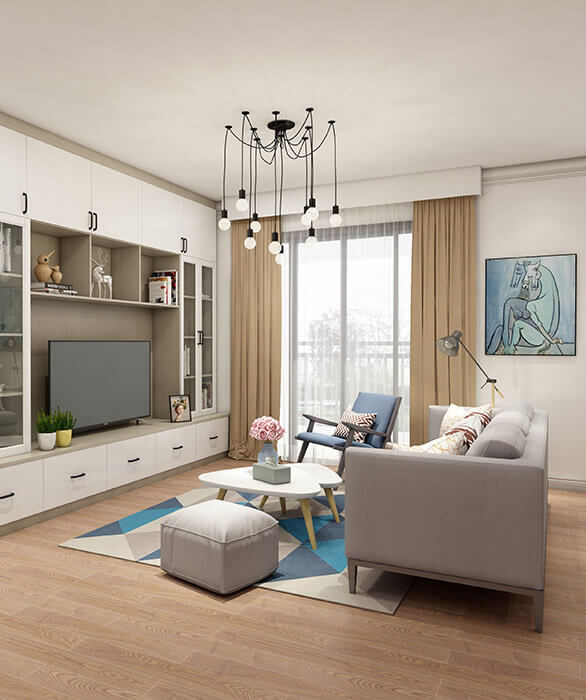
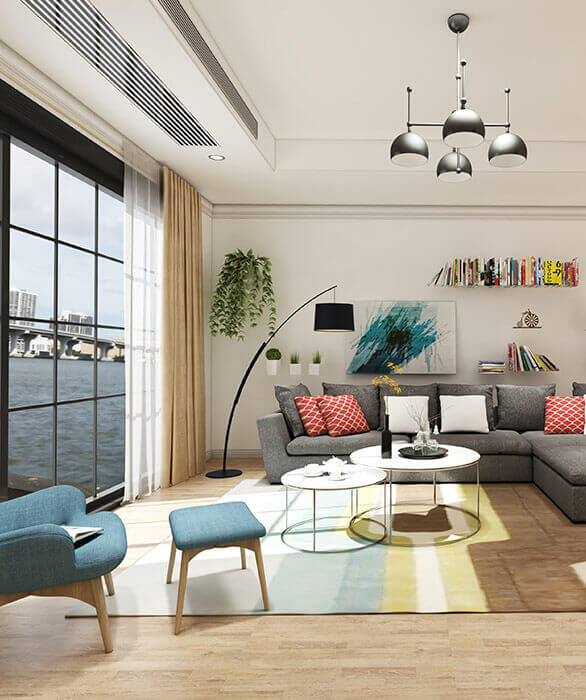
This is where AiHouse naturally fits into the design workflow. As an AI-powered online interior design platform, AiHouse helps designers turn early concepts into clearer room visuals, making it easier for clients to understand direction, compare options, and respond with more confidence.
Are room visuals more effective than flat mood boards?
In many cases, yes. Mood boards are useful for initial style exploration, but they are often too abstract to support high-confidence approval.
Room visuals help clients assess:
- scale
- layout
- material combinations
- colour balance
- atmosphere in context
How many options should designers present?
Designers usually get better results by presenting fewer, clearer options. Homeowner data consistently points to a need for clarity rather than more complexity. In the same Houzz report, 40% of respondents said they wanted clearer communication from professionals, while 39% wanted more transparent pricing.[1]
A useful structure might include:
- one safer direction
- one more expressive direction
- one balanced direction that combines visual appeal with budget practicality
Why should budget be shown before design approval?
Because budget is the single biggest friction point. In the UK, 37% of renovation tension comes from staying on budget.[1] At the same time, renovation spend is rising, with median spend reaching £21,440 in 2024.[2]
Design concepts are easier to approve when they are presented alongside:
- an estimated price range
- likely premium items
- value-engineered alternatives
- the budget effect of upgrades or substitutions
Why do staged approvals reduce back-and-forth?
Because informal approval creates confusion. A client may say they “love it” in a meeting, but unless the project clearly records what has been approved, earlier decisions often get reopened later.
Houzz data supports the need for stronger structure. In a 2024 Houzz survey, homeowners said clearer communication, more detailed proposals, and greater trust would improve the renovation experience.[3] Communication also ranked as one of the top areas where homeowners wanted better support from professionals.[4]
A better process separates the project into clear sign-off stages:
- style direction approval
- layout approval
- finishes and materials approval
- final concept approval
Where does AiHouse fit into a lower-revision workflow?
AiHouse is most valuable in the stage between the initial brief and final specification, where the goal is to help clients understand and approve a direction before costly downstream decisions are made.
Rather than replacing the designer’s role, AiHouse supports the parts of the workflow that most often create friction:
- visualising early concepts more clearly
- comparing multiple directions more efficiently
- supporting smoother online collaboration
- helping clients approve with more confidence

What should studios track if they want fewer revisions?
Studios should measure revision performance directly. Useful metrics include:
- average number of revision rounds per project
- time from first concept to approval
- first-presentation approval rate
- percentage of revisions caused by budget
- percentage caused by style mismatch
- percentage caused by communication gaps
- number of post-approval change requests
What is the final answer?
Reducing client revisions is not about eliminating feedback. It is about helping clients make better decisions earlier.
For most interior design projects, that comes down to four things: clear style alignment, room-level visuals, budget-linked presentations, and structured approvals. The UK data supports this approach, showing that revisions are most often driven by uncertainty around budget, style, finishes, and communication.[1][2]
AiHouse is built for exactly this part of the process. As an AI-powered online interior design platform, it helps designers communicate concepts more clearly, collaborate more efficiently online, and support faster client approvals before avoidable revisions start to stack up.
FAQs
What causes the most client revisions in interior design projects?
Budget is usually the biggest trigger. In the UK, 37% of renovation tension is linked to staying on budget, followed by style disagreements and product or finish selection at 31% each.[1]
Do room visuals really help reduce revisions?
Yes. 45% of UK couples say they use visualisation tools to make renovation decisions, which suggests clearer visuals help clients evaluate ideas earlier and with more confidence.[1]
Should designers show budget information in the first concept presentation?
Yes. Even if exact pricing is not final, showing estimated ranges and premium cost drivers reduces surprises later. This matters because budget is the top source of renovation tension in the UK.[1]
How many design options should be shown to clients?
Usually two or three strong options are enough. Too many directions can create confusion and delay approval instead of improving decision quality.
Can AI replace interior designers in managing revisions?
No. Designers still lead strategy, taste, feasibility, and client judgment. AI tools are most useful when they help clients understand concepts earlier and reduce avoidable ambiguity.
Where does AiHouse add the most value?
AiHouse adds the most value in early-stage concept communication. It helps designers present ideas more clearly online, compare options faster, and support smoother approvals before revisions become expensive.